🏝 Nicaragua Travel Guide 2025 Beaches, Surf, Volcanoes & Insider Tips
Planning a trip to Nicaragua? This guide covers everything you need to know — from the best beaches and towns to visit, to where to stay, what to eat, and how to make the most of your time here. Whether you’re coming for vacation, adventure, or to scout out a new lifestyle, you’ll find the clarity and confidence to experience Nicaragua the insider way.

👉 Want the printable 7-Day Itinerary + our Rolodex of trusted drivers, tour guides, and local contacts?
✨ Welcome to Nicaragua — The Last Hidden Gem of Central America
Hi, I’m Ali. A few years ago, I sold everything in the U.S., moved to Nicaragua, and built a new life by the beach. My wife Franny and I now host travelers from around the world who come here seeking the same things we did: freedom, adventure, and connection.
But if you’re just starting to look into Nicaragua, you probably have questions: Is it safe? Where should I go? What should I expect?
That’s why I created this Nicaragua Insider Travel Guide — to cut through the noise, squash the myths, and give you a simple, trusted path to planning your trip.
*This guide is written from my firsthand experience of traveling here since 2010 and many of the photos are my personal drone and adventure photos.
Inside, you’ll discover:
✅ Travel basics (airports, money, transportation, safety)
✅ The best times of year to visit
✅ Nicaragua’s top highlights (with our insider picks)
✅ Food & culture insights you won’t find in guidebooks
✅ A detailed 7-day Nicaragua itinerary with our favorite places to stay and eat
✈️ Travel Basics for Nicaragua
Airports & Entry
- Fly into Managua (MGA) or Liberia, Costa Rica (LIR). Both connect easily to San Juan del Sur and the Emerald Coast.
- Visitors from the U.S., Canada, and Europe receive a 90-day tourist visa on arrival — no paperwork needed.
Money
- The local currency is the Córdoba, but U.S. dollars are widely accepted.
- ATMs are common, but always keep small bills handy.
Getting Around
- Private drivers are affordable and reliable. (*Uber & Lyft don't operate here)
- A 4x4 rental is great if you want independence to explore beaches.
- On Ometepe, the best way to get around is by renting an ATV or Scooter.
- If it's your first time, I recommend taking taxis from the airport to your stay, then renting locally.
Safety
- Nicaragua is one of the safest countries in Central America.
- Use common sense with valuables, but the biggest risks are sunburn and too much Flor de Caña.
Nicaragua Travel FAQs
Here we answer several of the standard travel questions. Please message us if you have additional questions.
Is it better to fly into Managua or Liberia (Costa Rica)?
There are only two airport choices. MGA in Managua, Nicaragua and LIR in Liberia, Costa Rica.
Both have advantages and disadvantages, which I’ll outline below. But here is my initial recommendation: Search flights to MGA, and if that suits you, stick with MGA. If you’re looking for a better flight, look at LIR and consider the pros/cons I mention below.
MGA Airport Pros:
No need to cross another border with immigration and customs.
It’s an easy and beautiful 2.5-hour taxi ride from MGA to Flamingo.
More affordable airport to Flamingo taxi. ($110 from MGA vs $190 from LIR) Click here for info about booking airport transport.
MGA Cons:
Limited choice of airlines. American Airlines, United, and Avianca are the three major airlines that fly to MGA.
Airfare can be pricier and flight times limited.
LIR Pros:
Lots of major airlines fly there.
Changes and cancellations are easier with some of the airlines.
Airfare can be more affordable.
LIR Cons:
You have to exit the taxi and tote your luggage about 300m total across pavement and an un-airconditioned customs building. It will likely be hot or raining during this process.
You have to wait in line at the Nica border with no AC and things do not move quickly at this border line. It’s the slowest I’ve ever experienced.
Plan to spend a total of 45 minutes (+/- 15min) crossing the border in the heat with no AC.
Taxi transportation is more expensive from LIR than from MGA.
Should I rent a car?
My short answer is NO. If you’ve never been to Nicaragua then just take taxis.
If you want to explore then rent a 4x4, atv, or moto locally.
These are reasons why I don’t recommend any of my friends or family rent a car.
You CAN NOT rent a car in Liberia and drive here. Rental cars are not allowed to cross the border. The only option is a taxi.
It’s costly and they will charge you for the insurance fee because this is Nicaragua and your insurance is not “trusted here” and they want to make more money.
It’s time-consuming to pick up and drop off. The rental lots are not at the airport. Oftentimes guests miss a half day at the beach and sunset, arriving confused after dark because they were delayed by renting a car.
Police checkpoints are everywhere and they literally stand in the road randomly pulling cars over. They are nice but particular when it comes to writing you a ticket and this can delay you a significant amount of time and cost you “bribe” money.
Navigation in this country is not easy. Google Maps is not accurate. There is not signal everywhere. There is no street names or road signs. You can get lost easily. It’s not fun missing sunset while you’re driving in the dark on rural roads.
The roads here are rough, unkept, full of fender bender potholes, and there is frequently dogs, chickens, and kids in the street. Taxis know the area and how to drive safely. You don’t want to have an accident here. It will be costly and time-consuming with the police.
Uber and Lyft are not allowed here in Nicaraga. We use old school taxi system and when you visit The Flamingo Experience, we can easily book one of our trusted drivers for you. Just message us on WhatsApp. Taxi drivers are professional and kind here. This is their profession and you can support the local economy.
Is Nicaragua Safe for tourists?
Short Answer:
Yes, Nicaragua is safe for tourists. Serious crimes like robbery, assault, or kidnapping are extremely rare, and visitors often feel at ease while traveling here.
Detailed Answer:
Many sources may portray Nicaragua as unsafe, but this is often based on outdated or biased information. The reality is very different. Nicaragua is home to friendly, peaceful locals, most of whom are farmers or small business owners.
After living here for three years, I have experienced zero crime. While petty theft can occur, as in any developing country, major crimes like robbery, assault, or kidnapping are uncommon. Tourists frequently report positive experiences, noting how relaxed and secure they feel during their stay.
Tips for Staying Safe:
Secure Your Valuables: Always lock up important belongings to prevent petty theft.
Stay Aware: Be mindful in crowded areas, as pickpocketing can occur.
Engage with Locals: Nicaraguans are kind and helpful; don’t hesitate to ask for advice or assistance.
Key Takeaways:
Nicaragua is one of the safest countries in Central America.
Visitors love their time here and often return.
Basic precautions are enough to ensure a worry-free trip.
Do I need a visa to enter Nicaragua?
Most visitors (U.S., Canada, EU, Australia) get a 90-day tourist visa on arrival, no paperwork needed.
What currency does Nicaragua use?
Short Answer:
Nicaragua uses the Nicaraguan Córdoba (NIO), but US dollars are widely accepted in most areas.
Detailed Answer:
The local currency is the Nicaraguan Córdoba (NIO), but US dollars are commonly accepted at hotels, restaurants, and larger businesses. However, smaller shops and rural areas may prefer córdobas. It’s always a good idea to carry both currencies for convenience.
ATMs are available in major towns and cities, dispensing córdobas or dollars. Credit cards are accepted in many tourist locations, but cash is king in more remote areas.
Tips for Managing Money:
Carry Small Bills: Many places may not have change for large denominations.
Exchange Rates: Pay in córdobas when possible for better value.
ATMs: Use ATMs in larger towns to withdraw both córdobas and dollars.
Key Takeaways:
Both córdobas and US dollars are accepted.
Have small bills in both currencies.
Use ATMs in towns for easy access to cash.
Do I need vaccinations to travel to Nicaragua?
Short Answer:
No vaccinations are required, but it’s recommended to be up-to-date on routine vaccines and consider optional ones like Hepatitis A and Typhoid.
Detailed Answer:
Nicaragua does not require any specific vaccinations for entry. However, the following vaccines are commonly recommended:
Routine Vaccines: Ensure you’re up-to-date on measles, mumps, rubella (MMR), and tetanus.
Hepatitis A: Recommended due to possible exposure through food or water.
Typhoid: For travelers visiting rural areas or eating street food.
For longer stays or adventurous travelers, consider Hepatitis B and Rabies vaccinations. Consult with your healthcare provider at least 6-8 weeks before travel.
Tips for Staying Healthy:
Drink bottled or filtered water to avoid illness.
Use insect repellent to prevent mosquito-borne diseases like dengue.
Pack a basic first-aid kit for minor injuries or illnesses.
Key Takeaways:
No vaccines are required, but Hepatitis A and Typhoid are recommended.
Practice good hygiene and avoid drinking tap water.
Consult a doctor for personalized advice.
What are the transportation options inside Nicaragua?
Short Answer:
Transportation in Nicaragua includes buses, taxis, and car rentals. Taxis are best for tourists, while local buses are affordable but much slower.
Detailed Answer:
Nicaragua offers several transportation options:
Public Buses: Extremely affordable but can be very slow and crowded. Best for budget travelers who don’t mind the “experience”.
Taxis: Readily available in cities, but always agree on a price before getting in as they don’t use meters. Many hotels will book them for you with pre-screened transport partners.
Car Rentals: Great for independent exploration, but roads in rural areas can be challenging and car rentals from the airport are expensive. See our question about “should I rent a car”.
Motorcycles and Scooters: A popular choice for short distances or exploring locally.
Most tourists prefer taxis or private transportation for comfort and convenience.
Tips for Getting Around:
Confirm taxi fares upfront to avoid overcharging.
If renting a car, ensure it has insurance and a spare tire.
Key Takeaways:
Public buses are budget-friendly but less convenient.
Renting a car gives freedom but requires caution on rural roads.
Is there cellular signal and wifi in Nicaragua?
Short Answer:
Cellular signal and Wi-Fi is widely available in tourist areas, and local SIM cards provide affordable mobile data. Check with your service provider about international rates before departing.
Detailed Answer:
Most hotels, restaurants, and cafes in tourist areas offer free Wi-Fi, though speeds may vary. For reliable mobile internet, purchase a local SIM card from providers like Claro or Movistar. SIM cards are affordable, and data plans are widely available.
If you’re traveling to remote areas, download maps and key information beforehand, as connectivity can be spotty.
Tips for Staying Connected:
Buy a local SIM card at the airport or in town for reliable data.
Use messaging apps like WhatsApp, which is widely used in Nicaragua.
Bring a portable power bank for charging on the go.
Key Takeaways:
Wi-Fi is common in tourist areas.
Local SIM cards offer cheap and reliable mobile data.
Prepare for limited connectivity in remote areas.
What should I pack for Nicaragua?
Short Answer:
Pack lightweight, breathable clothing, sunscreen, insect repellent, and comfortable shoes.
*Drones and binoculars are not permitted in Nicaragua.
Detailed Answer:
The tropical climate in Nicaragua means you’ll need to dress for warm weather. Essentials include:
Clothing: Light, breathable fabrics like cotton and linen, and a rain jacket if visiting in the rainy season.
Footwear: Sandals for the beach and sturdy shoes for hiking.
Sun Protection: Sunscreen, sunglasses, and a hat are essential.
Insect Repellent: Mosquitoes are common, especially in rural areas.
Swimwear: Bring multiple swimsuits if you plan on hitting the beaches or surf spots.
Tips for Packing:
Pack light, as laundry services are widely available.
Bring a waterproof bag for valuables during beach or water activities.
Don’t forget power adapters if you’re from outside the Americas (Nicaragua uses 110V).
Key Takeaways:
Pack lightweight, breathable clothing for the tropical climate.
Essentials include sun protection, insect repellent, and sturdy footwear.
A waterproof bag is useful for beach and water activities.
🌦 When to Visit Nicaragua
- Dry Season (Nov–Apr): Endless sun, great surf, perfect for beaches.
- Green Season (May–Oct): Afternoon showers, lush jungle, fewer crowds, better waterfalls.
- Peak Times: Christmas, Easter, and surf competitions — book early.
👉 Insider Tip: September and October are underrated — lush, peaceful, and affordable.
Seasonal Travel Questions
What is the best time of year to visit?
Short Answer:
The most popular months to visit Nicaragua is during the dry season, from November to April. This period offers sunny weather, perfect for outdoor activities like surfing, hiking, and exploring.
However, many people love the rainy season as well. Everything is lush and green, there is no dust, the waterfalls and rivers are flowing and the surf is bigger during those months.
Detailed Answer:
Nicaragua has two primary seasons: the dry season (November to April) and the rainy season (May to October). During the dry season, you’ll enjoy sunny skies and warm temperatures, ideal for beach trips, surfing, and sightseeing. The rainy season brings lush greenery and fewer tourists, with rain usually occurring in the afternoons or evenings, making mornings still enjoyable for activities.
Peak tourism months are December through March, when the weather is driest, and holidays like Christmas and Spring Break bring more visitors. If you prefer fewer crowds, visiting during the rainy season can be a great choice.
Tips for Choosing When to Visit:
Surfing: Year-round, but May-November often brings bigger swells for advanced surfers.
Nature Lovers: Visit in the rainy season for vibrant landscapes and fewer tourists.
Holiday Travel: Book early if visiting during peak months like December or Easter.
Key Takeaways:
November to April is the dry season and most popular for travel.
May to October offers fewer crowds, lush scenery, and standard rain. One or two weeks during October/November can have extreme rainfall due to hurricanes. If there is a hurricane in the Gulf of Mexico, then there is likely extreme rain in Nicaragua.
Plan according to your preferred activities and crowd tolerance.
What activites and locations are best during the dry season?
The dry season (November–April) is when Nicaragua truly shines. Expect endless blue skies, warm sunshine, and steady offshore breezes that make every day feel like summer vacation. This is the prime season for the beach and ocean activities:
Surfing – Consistent offshore winds keep the waves clean and perfect for all levels, especially beginners and intermediates.
Sailing & Catamaran Trips – Crystal-clear skies and calm seas make for unforgettable sunset cruises.
Sportfishing – The Pacific is alive with mahi-mahi, tuna, and marlin during this time.
Beach Days & Swimming – The water is warm, the tides are gentle, and the weather is ideal for lounging or snorkeling.
One thing to note: inland areas can feel a bit drier. The trees shed their leaves, waterfalls slow to a trickle, and the roads get dusty. While you can still visit places like Ometepe or Mombacho Volcano, this isn’t the best season for lush jungle exploration. If your trip falls in dry season, we recommend making the most of the coast and ocean.
What activies and locations are better during the rainy season?
From May to October, Nicaragua transforms into a green paradise. The rainy season (or “green season”) brings cooler temperatures, lush jungles, and a vibrant, fresh energy to the landscape. Expect sunny mornings with dramatic afternoon showers that rarely last all day.
This is the perfect time for:
Jungle Adventures & Hiking – Trails come alive with greenery, wildlife is more active, and everything feels more tropical.
Waterfalls & Swimming Holes – Places like San Ramón on Ometepe or Somoto Canyon flow at full force, creating spectacular photo opportunities.
ATV & Dirt Bike Tours – The dusty roads turn into muddy playgrounds, complete with creek crossings and jungle trails.
Ometepe Island – During rainy season, the island feels alive: dense jungle, dramatic volcano views, and cool breezes off the lake.
Ocean sports are still great year-round, but keep in mind that heavier swells and rain showers can sometimes make conditions challenging for new surfers. If you’re an experienced surfer, however, this is when some of the biggest, most powerful waves of the year arrive.
Overall, the rainy season is about adventure and exploration inland, while the dry season is about sunny days and ocean play. Both offer something special—you just need to match your activities to the season.
🌟 Editor's Choice: Nicaragua Highlights
Not every corner of Nicaragua is worth racing to. Here are the destinations we recommend most to friends and family:

🏄 San Juan del Sur & The Emerald Coast
If you only had one area to experience in Nicaragua, this is it.
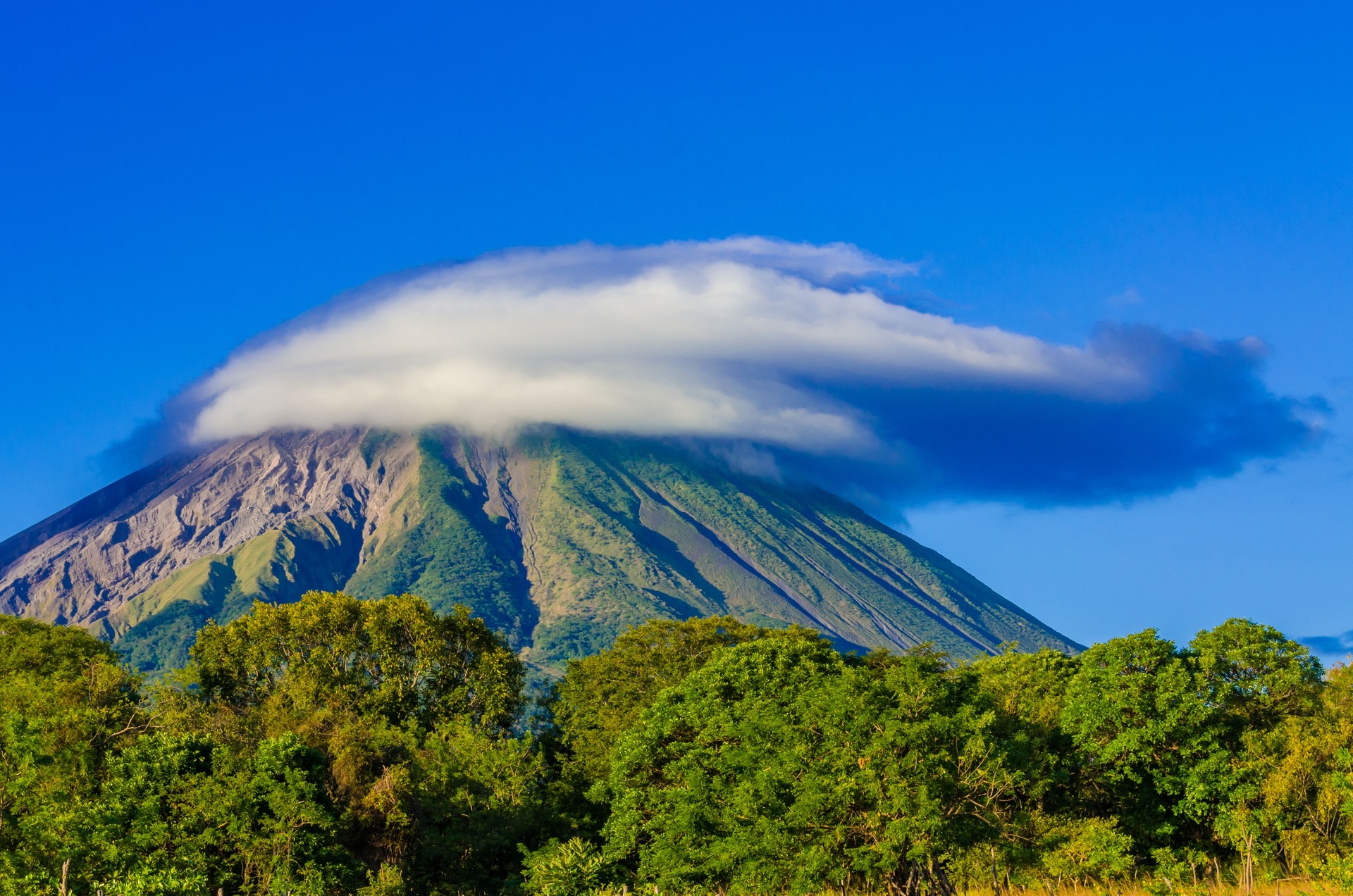
🌋 Ometepe Island
An island formed by two volcanoes in the middle of Lake Nicaragua.
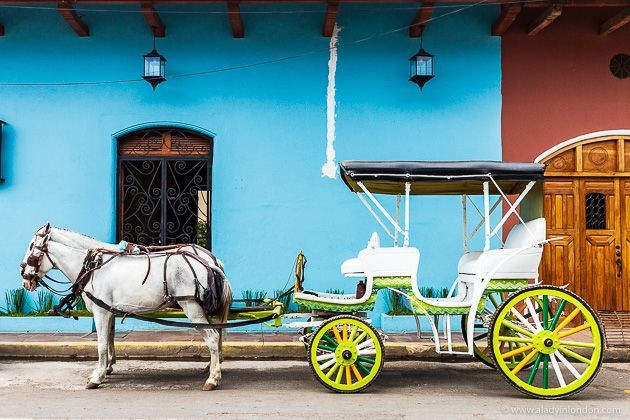
🏛 Granada
Nicaragua’s most famous colonial city.
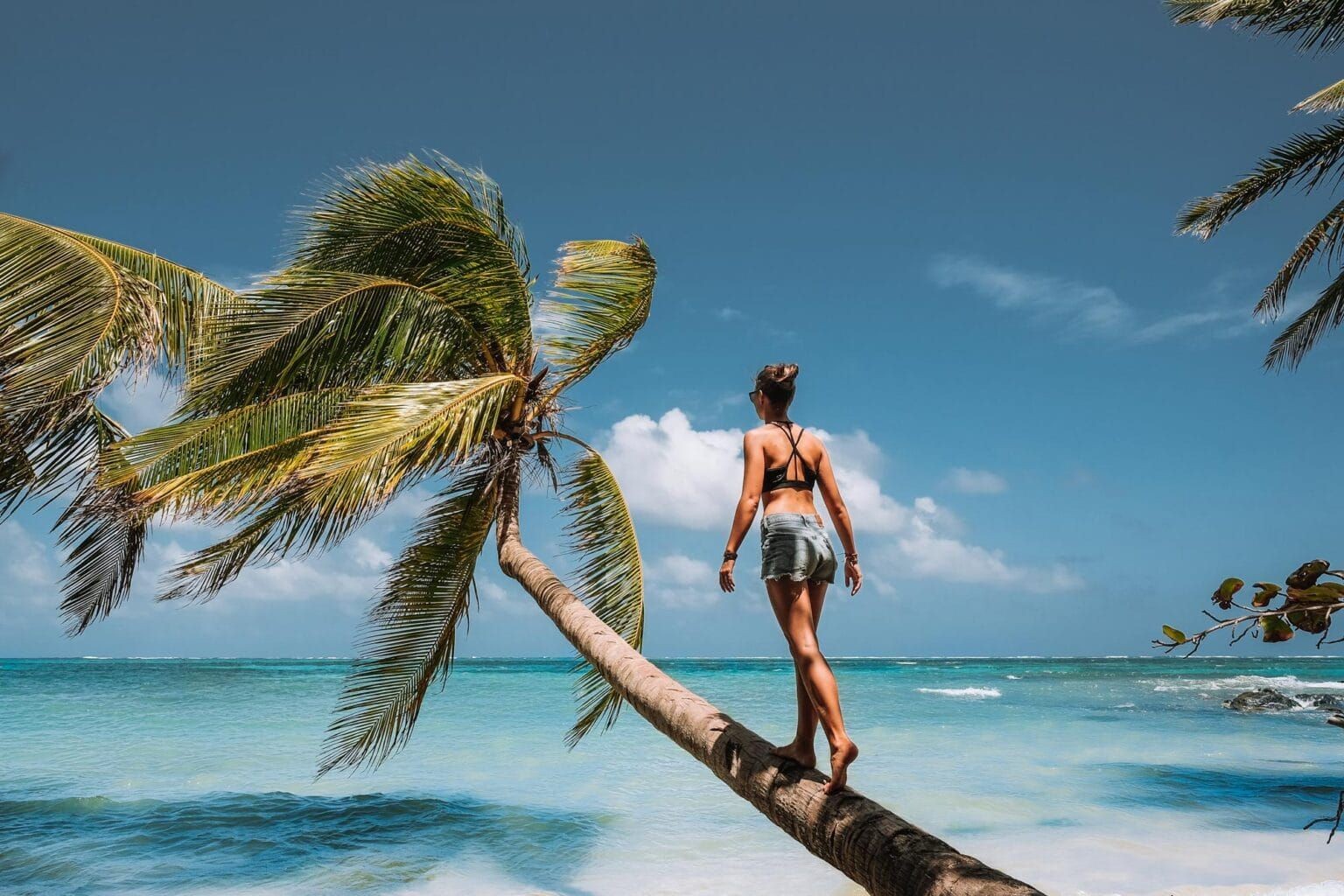
🏝 Corn Islands
A Caribbean gem off Nicaragua’s east coast.
🏄 San Juan del Sur & The Emerald Coast
If you only had one area to experience in Nicaragua, this is it.
- Why It’s Special: Nicaragua’s surf capital, with stunning beaches, expat community, nightlife, and barefoot luxury — but still half the price of Costa Rica.
- Top Beaches:
- Playa Remanso: Waikiki-style waves, perfect for all levels. Six beachfront restaurants, safe sand bottom, and home to The Flamingo Experience — our boutique retreat.
- Playa Tamarindo: A virgin, untouched stretch of sand with zero development.
- Playa Hermosa: Two kilometers of beauty with just one surf shack.
- Playa La Flor: A private reserve where you can watch sea turtles nesting (seasonal).
- Things to Do: Surf lessons, ATV rides through jungle trails, catamaran cruises, horseback riding on virgin beaches, karaoke nights, and San Juan town’s cobblestone cafés and nightlife.
Common SJDS Questions:
Where should I stay in the SJDS area?
In town if you want nightlife, restaurants, and convenience.
On nearby beaches (like Playa Remanso) if you want surf, bonfires, and stargazing.
For a boutique, all-inclusive experience, check out The Flamingo Experience on Playa Remanso.
Tip: The SJDS beach is a dirty fishing bay full of boats and bait. Everyone goes to the surrounding beaches during the day and returns to SJDS after surf and sunset.
What should I do around SJDS?
Surf lessons are a go-to feature in this area due to the warm water, sand bottoms, and gentle perfect shaped waves.
Sunset sailing is a great way to see the beauty of the Nicaraguan coast and make new friends.
ATV tours through beaches, villages and to secret waterfalls are a favorite.
Sunset horseback gallops down the beach.
Explore different beaches — each has its own vibe. We recommend Remanso Hermosa and Maderas and maybe even visit the turtle sanctuary at Playa La Flor (in season).
How long should I stay in SJDS?
SJDS has most of what you're looking for in Nicaragua so we recommend a minimum of 4–5 nights to enjoy the beaches.
6–10 nights if you want to really soak in the surf and community vibe.
What type of nightlife or weekly events are there?
San Juan del Sur has a reputation as Nicaragua’s party town — and while it can definitely deliver on late nights, there’s also a mix of more laid-back weekly events worth checking out.
Wednesday at TreeCasa: Known as “Friends & Family Day,” when locals get in free. The pizza oven gets fired up, and it’s a great spot for a day trip with a jungle setting.
Thursday Nights are great for Skate Night at Ding Repair then Karaoke Night at Tuanis.
Friday Pizza Nights at Maachet: A local favorite, with live music and a community vibe. Great for couples and groups who want something fun but low-key. Arrive around 7pm.
Saturday at Tuanis: Saturday nights are always lively here, with a top-notch DJ and premium sound system. A mix of locals and expats make it one of the best dance floors in town.
Sunday Funday: The town’s most famous (and longest-running) event. It kicks off at 1:30 p.m. with a pool crawl, DJs, and lots of dancing, drinks, and wet-n-wild backpackers. If you’re looking for a classy evening, this isn’t it — but if you want a wild day-to-night party, it’s legendary. Starts 1:30 at Hostel Pacha Mama.
Late Nights at Arriba’s Bar: If you’re still hungry for nightlife after midnight, Arriba’s is the local discotech that keeps the music going late into the night.
👉 Bottom line: Whether you’re looking for a full-on pool party, live music with pizza, or a dance floor with locals, San Juan del Sur has something happening almost every night of the week.
Ready to Explore Like a Local?
Don’t waste time hunting for random taxi numbers or tour shops. We’ll send you our personal contact list — the same drivers, ATV rentals, and guides we use ourselves at Flamingo.
🌋 Ometepe Island
An island formed by two volcanoes in the middle of Lake Nicaragua.
- Why It’s Special: Earthy, eco-friendly, and spiritual. Perfect for hiking, exploring backroads, and slowing down.
- How to Explore: Rent an ATV or scooter — the best way to see villages, waterfalls, and volcanic trails.
- Highlights:
- Playa Mango for sunset.
- El Pital Chocolate Paradise for brunch.
- San Ramón Waterfall for a jungle hike.
- Santa Cruz Bay for kiteboarding and lake swims.
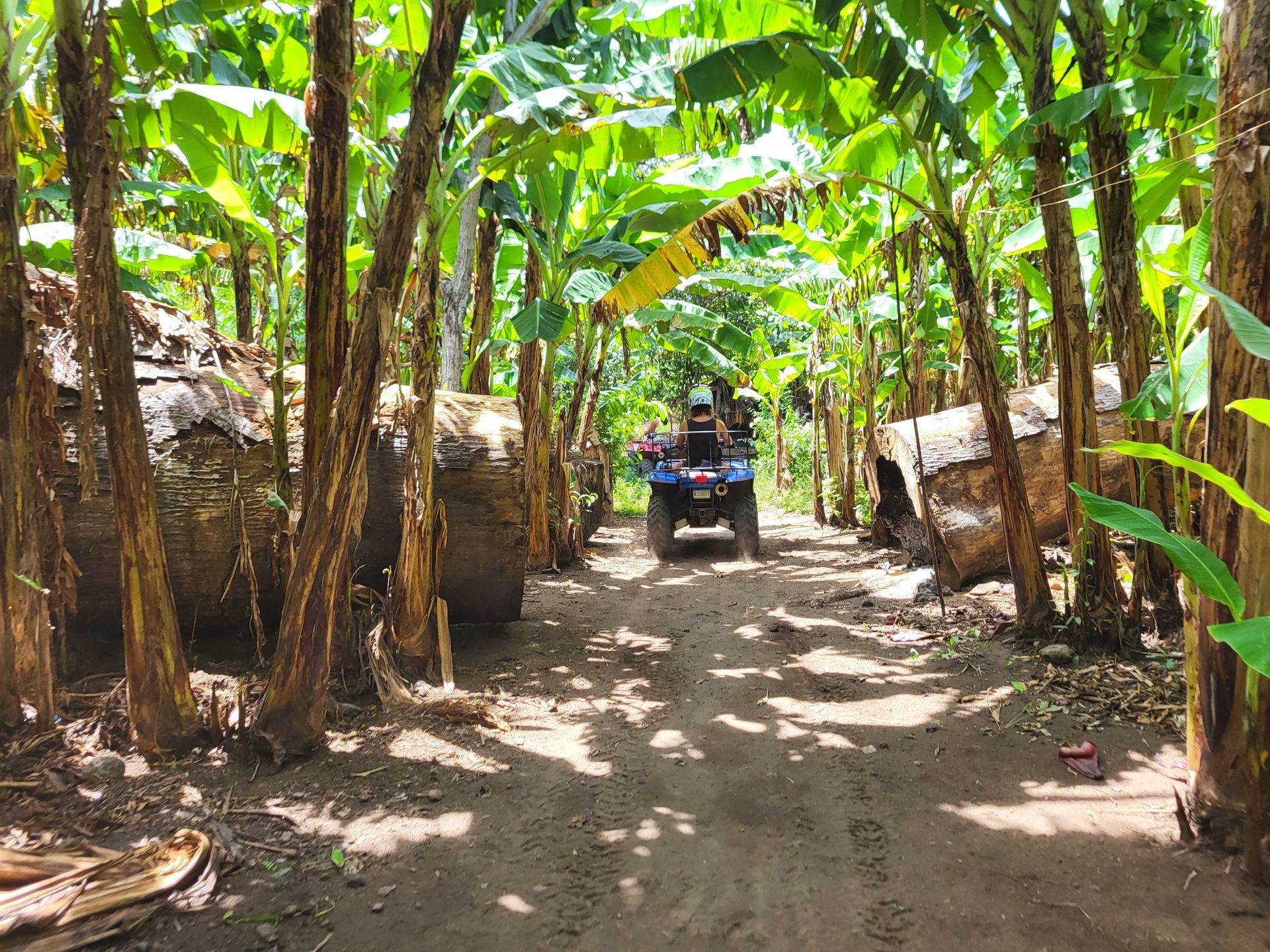
- Plantain Farm trails exploration by ATV. (*My secret trail map is included with the free download)
🏛 Granada
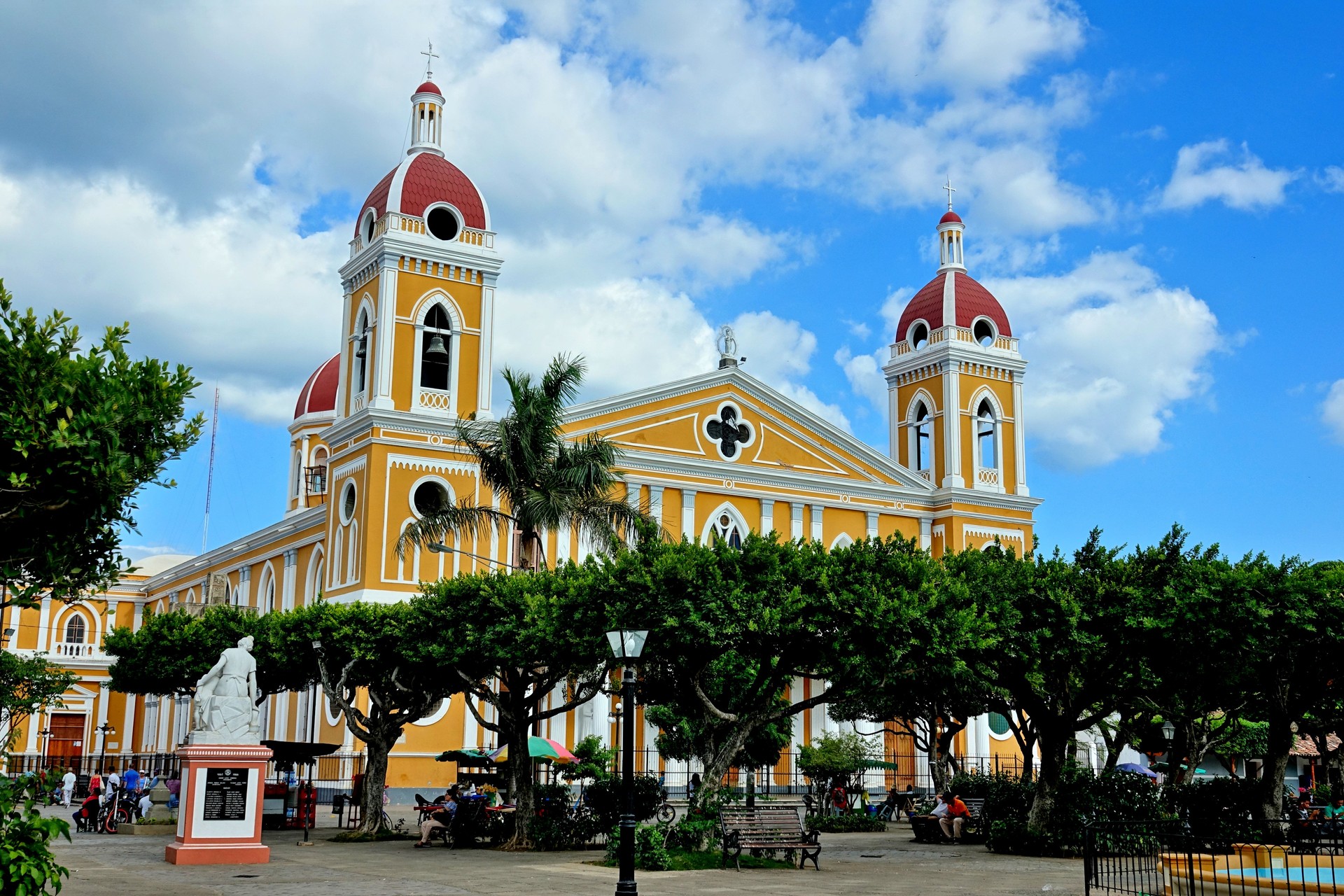
Nicaragua’s most famous colonial city.
- Worth It? Yes, as a stopover — but it’s smaller and less charming than European towns.
- Best For: One night of exploring colorful streets, souvenir shopping, and a sunset boat tour of Las Isletas.
- Where to Eat: Dinner at NM Culinary or brunch at The Garden Café.
- Where to stay: Casa Bubu or the Hotel Colón.
🏝 Corn Islands
A Caribbean gem off Nicaragua’s east coast.
- Why It’s Special: Clear turquoise waters, reggae vibe, diving, and snorkeling.
- Catch: You’ll need to fly from Managua, so allow 3–4 nights minimum.
- Big Corn vs Little Corn:
- Big Corn = more amenities, easier access.
- Little Corn = rustic, car-free, unplugged.
🍲 Food & Culture in Nicaragua
One of Nicaragua’s best surprises is the wholesome locals and fresh organic food.
- Seafood & Beef: Fresh-caught fish, lobster, shrimp, and grass-fed beef (just find a proper steakhouse — locals tend to overcook).
- Street Eats: Try a roadside BBQ — often run by local families.
- International Influence: Some of the best meals come from expats running Italian, Asian, and American restaurants.
Drinks & Treats:
- Flor de Caña rum — among the world’s best.
- Hand-rolled cigars from Estelí.
- Rich coffee and organic chocolate from Nicaragua’s highlands.
Culture & Way of Life
- Family, faith, and community matter most.
- Nicaraguans (“Nicas”) are kind, conservative, and welcoming — a simple “Buenas” goes a long way.
- Things don’t always run on Western schedules — patience and humor are your best travel companions.
- Life runs slower. Shops open late, often close for lunch, and work finishes by 5, just in time for sunset.
- Things don't always add-up. Prepare to be introduced to Nica-nomics 🤔
🗝 Insider Tips (Skip the Rookie Mistakes)
Don’t drink tap water (most places use wells — bottled or filtered only).
Uber doesn’t exist — arrange local drivers and confirm the price first.
Internet is reliable in tourist areas, but don’t expect city speeds in the jungle.
Always carry cash with plenty of small bills (many shops don't accept credit cards and can’t break $100s).
Say “Buenas” when entering shops or homes and "Gracias"— it goes a long way.
Download Google Translate and use it to clarify important conversations.
Always ask and confirm the price first before buying anything.
Don't be afraid to say "No Gracias" or just keep walking if you don't want to talk or buy anything.
Talk to fellow travelers and ask their advice and opinions on what to do and where to eat.
Make friends with a reputable local expat you can trust. Ask them anything for the honest truth.
Routine traffic stops are normal. If you get stopped by police, just relax, take your time and be human with them.
🗓️ 7-Day Nicaragua Adventure Itinerary
Surf • Sail • Explore • Indulge

This is the Nicaragua I know and love. The cream off the top!

With just three base stays, you’ll see the best of the country without minimal wasted time in transit.

Four nights on the magical Emerald Coast, two nights on mystical Ometepe Island, and one night in classical Granada.

Beaches, jungle, volcanoes, and culture
— the perfect balance.
Day 1: Arrival + Sunset
- Arrive MGA or LIR by 2 PM → Transfer to The Flamingo Experience
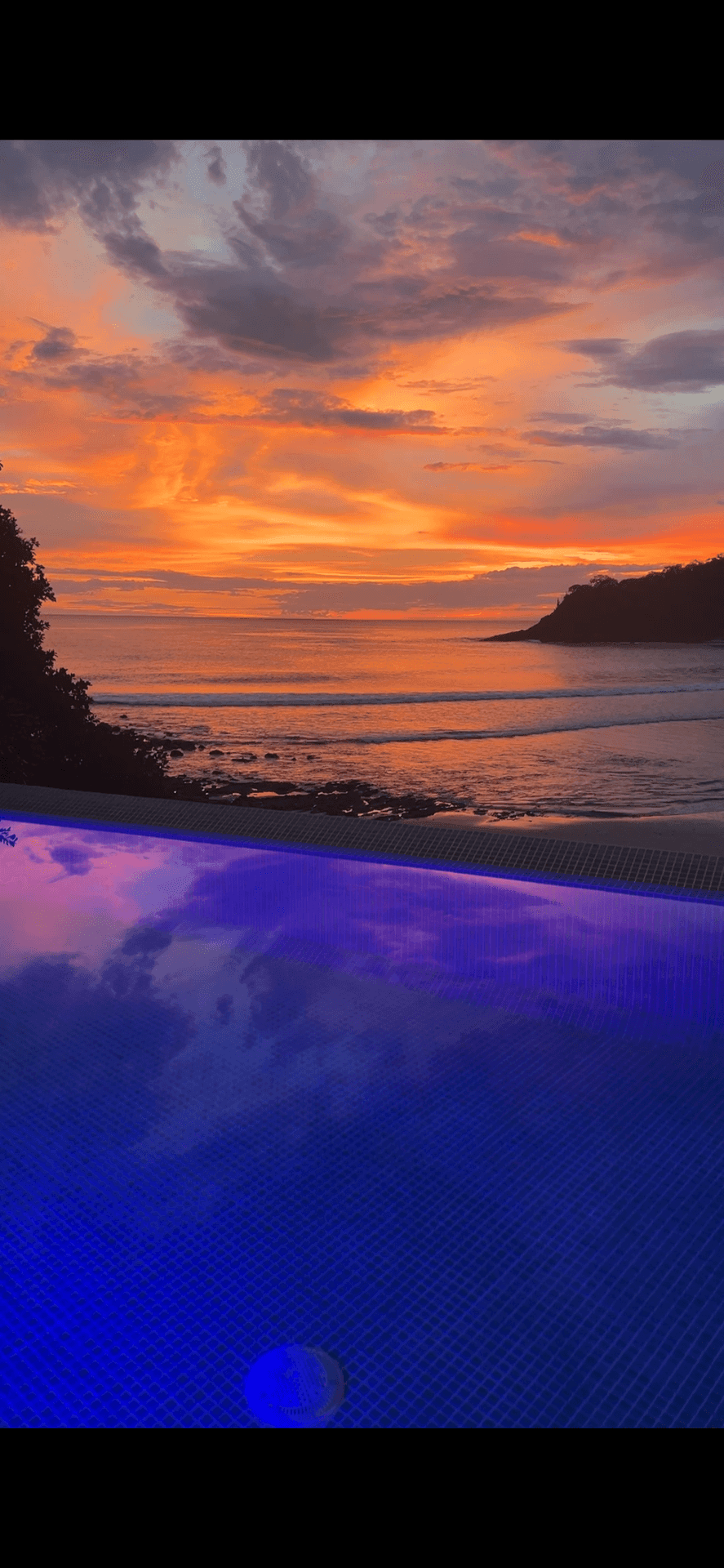
- Sunset cocktails on Playa Remanso
- Beachfront dinner, bonfire, and stargazing.
Day 2: Surf & Spa
- Morning surf lesson
- Afternoon massage & sunbathing
- Evening Chef Dinner at Flamingo
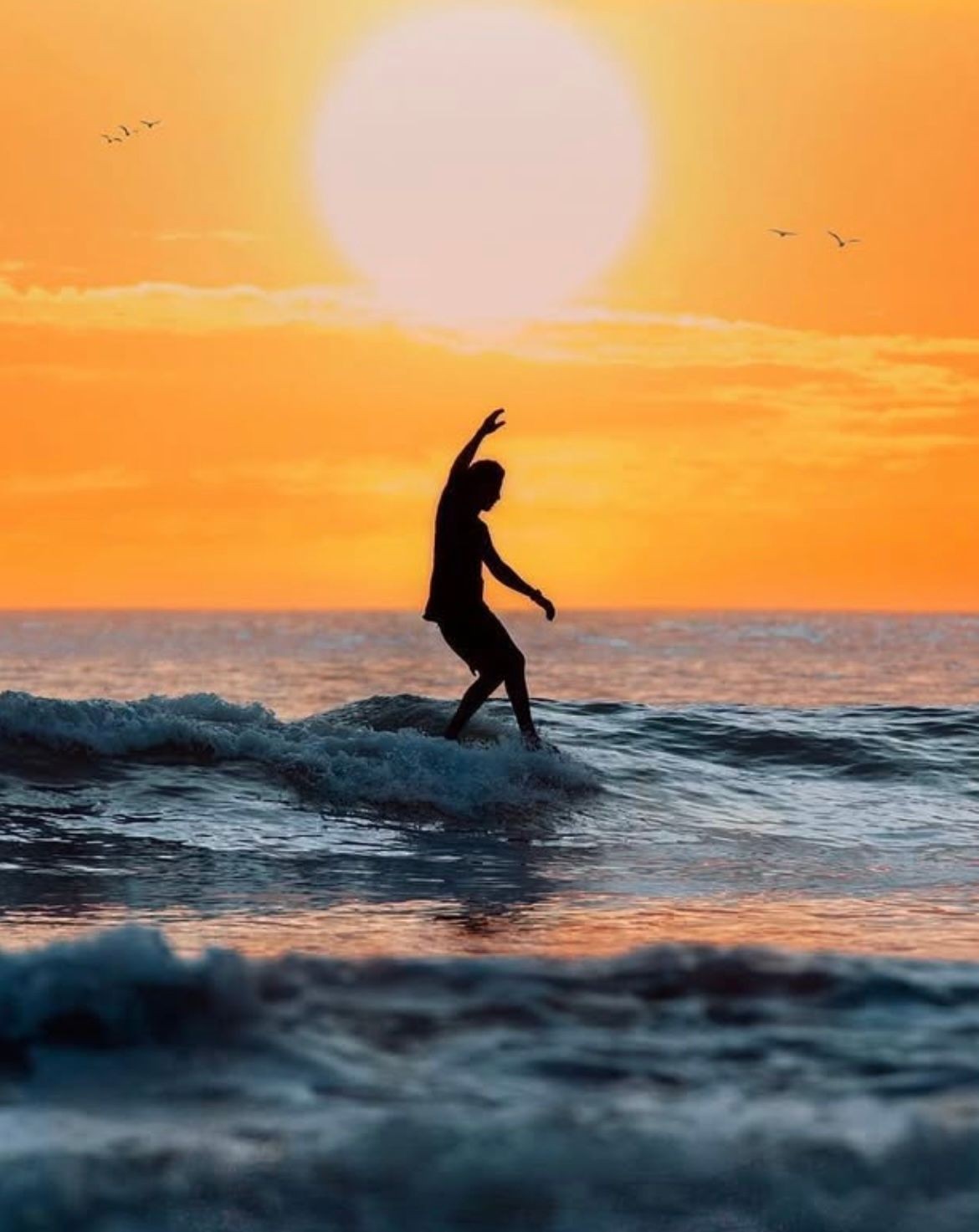
Day 3: Adventure Day
- Catamaran tour, ATV exploring, Sport Fishing, Horseback riding, or secret beach and waterfall hikes.
- Evening in San Juan: karaoke, salsa, or DJs, dancing & live music.
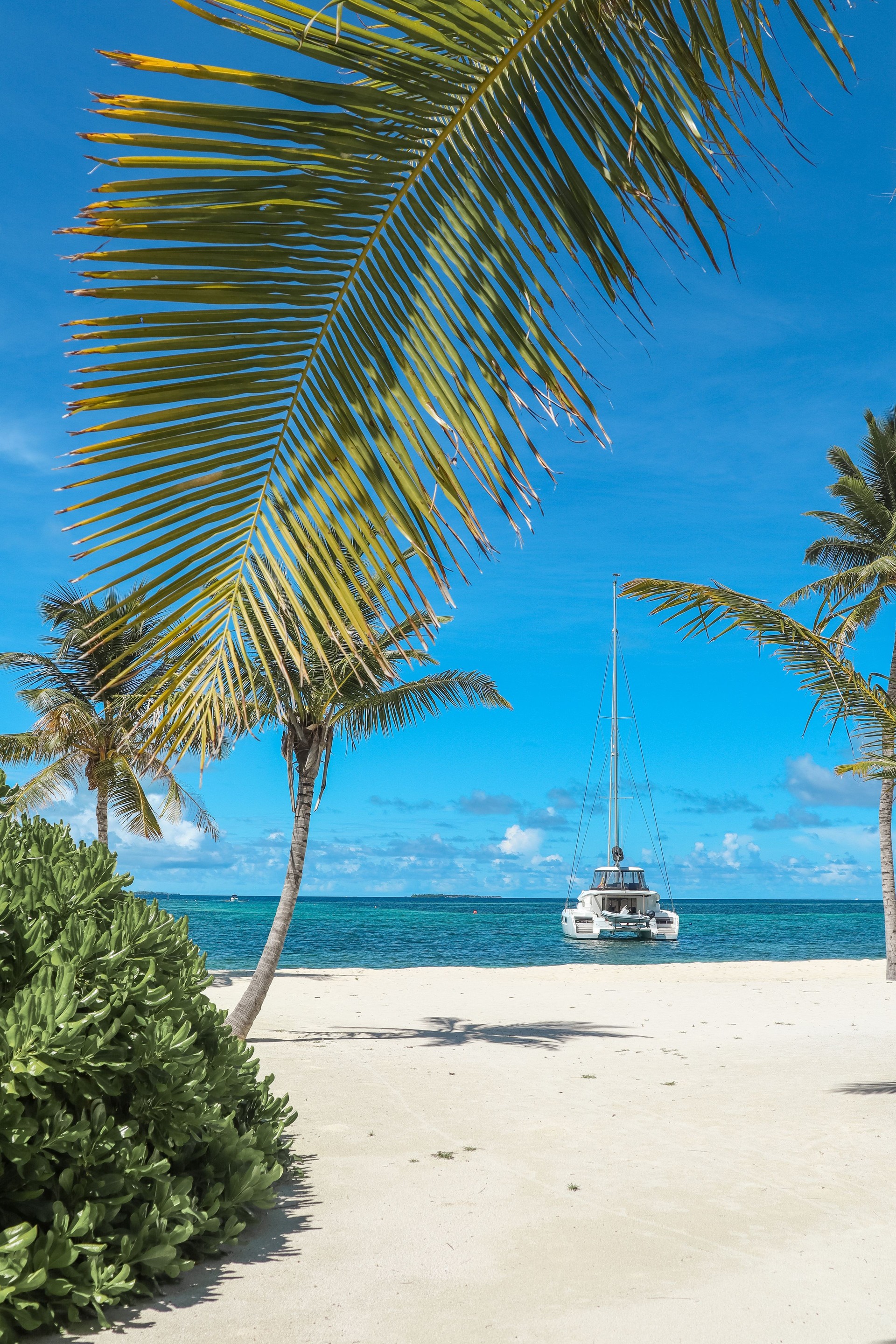
Day 4: Beach Hopping
- Explore Playa Tamarindo, Playa Hermosa, and Playa Maderas
- Beachfront Sunset Dinner
- Night-time seasonal turtle-watching at Playa La Flor
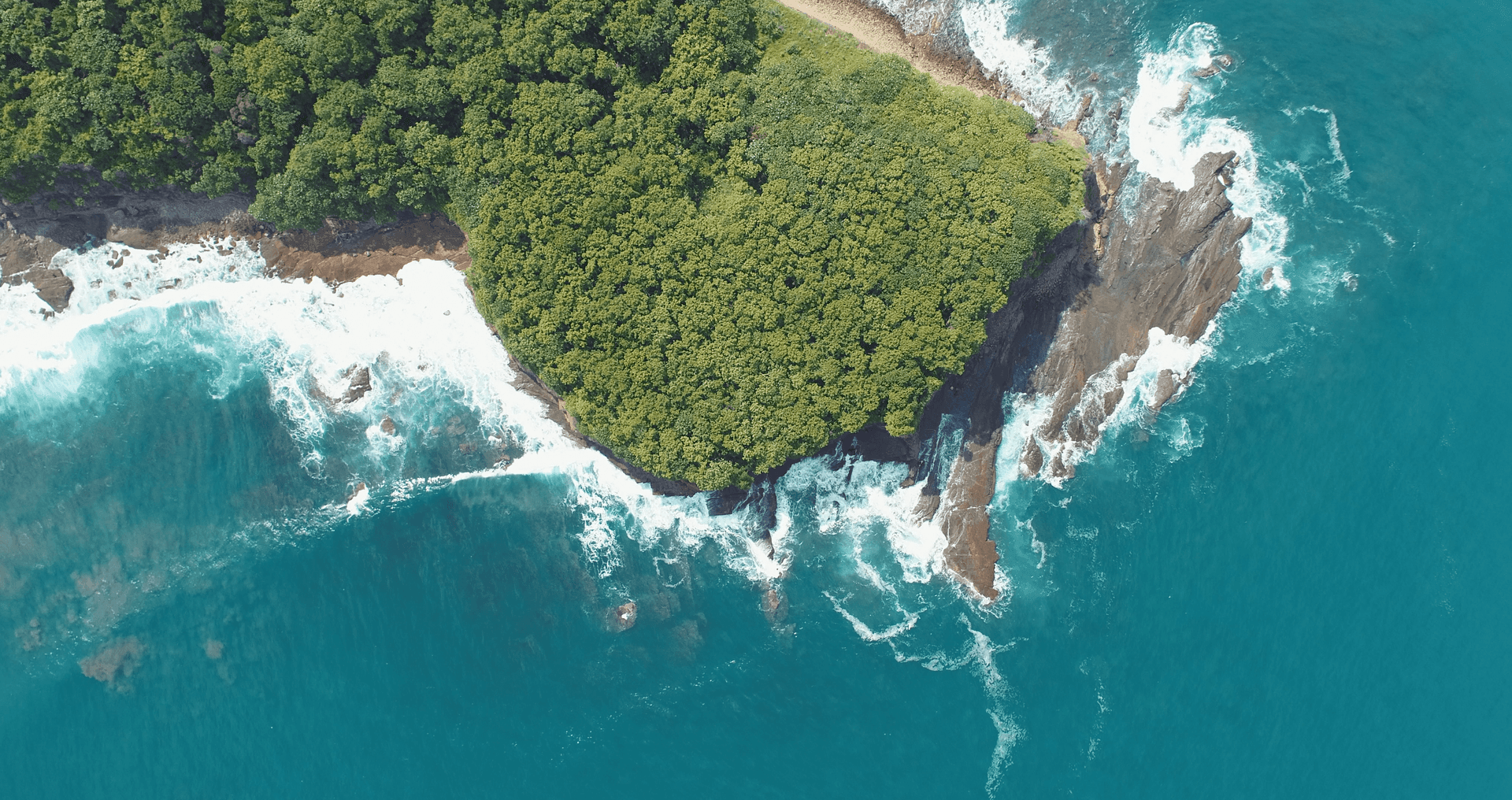
Day 5: Ometepe Island
- Ferry to Ometepe → Rent ATV
- Explore villages, volcano roads, and local farms
- Sunset at Playa Mango → Dinner at Café Campestre
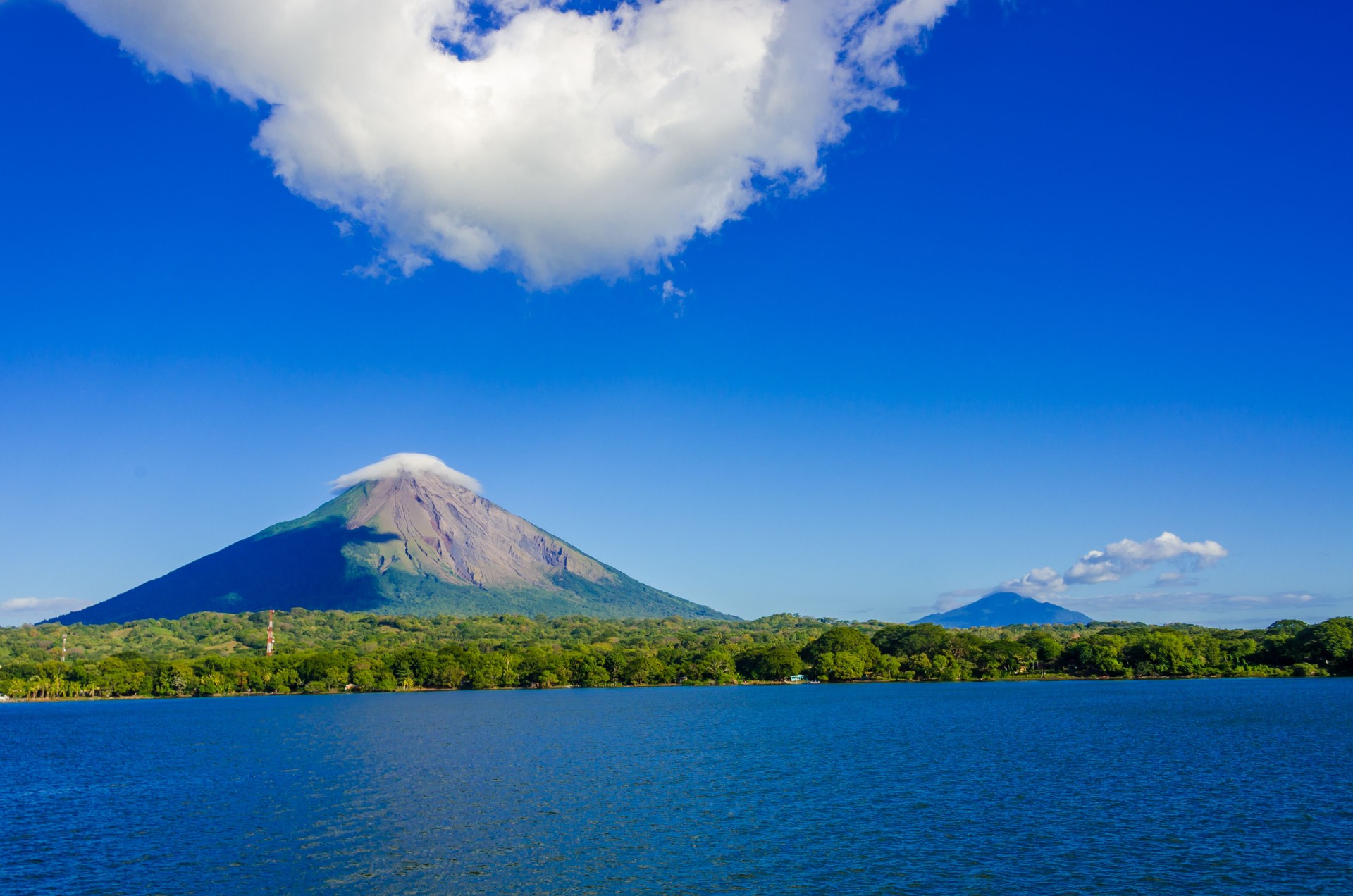
Day 6: Ometepe Adventures
- Hike the lush San Ramón Waterfall (rainy season highlight).
- Brunch at El Pital Chocolate Paradise.
- Continue blazing the many plantain farm trails on your ATV.
- Explore the mangroves by kayak during sunset.
Day 7: Granada Stopover
- Brunch and shop locally made crafts at the Garden Cafe.
- Tour the colonial town by horse-drawn carriage.
- Sunset boat tour of Las Isletas → Dinner at NM Culinary
- Off to the MGA airport the next morning. ✈️
2025 Full Travel Guide Download 👇
👉 Want the printable version with all the contact info for hotels, guides, rentals and tours? Click below to send us a Whatsapp request.
About the Author
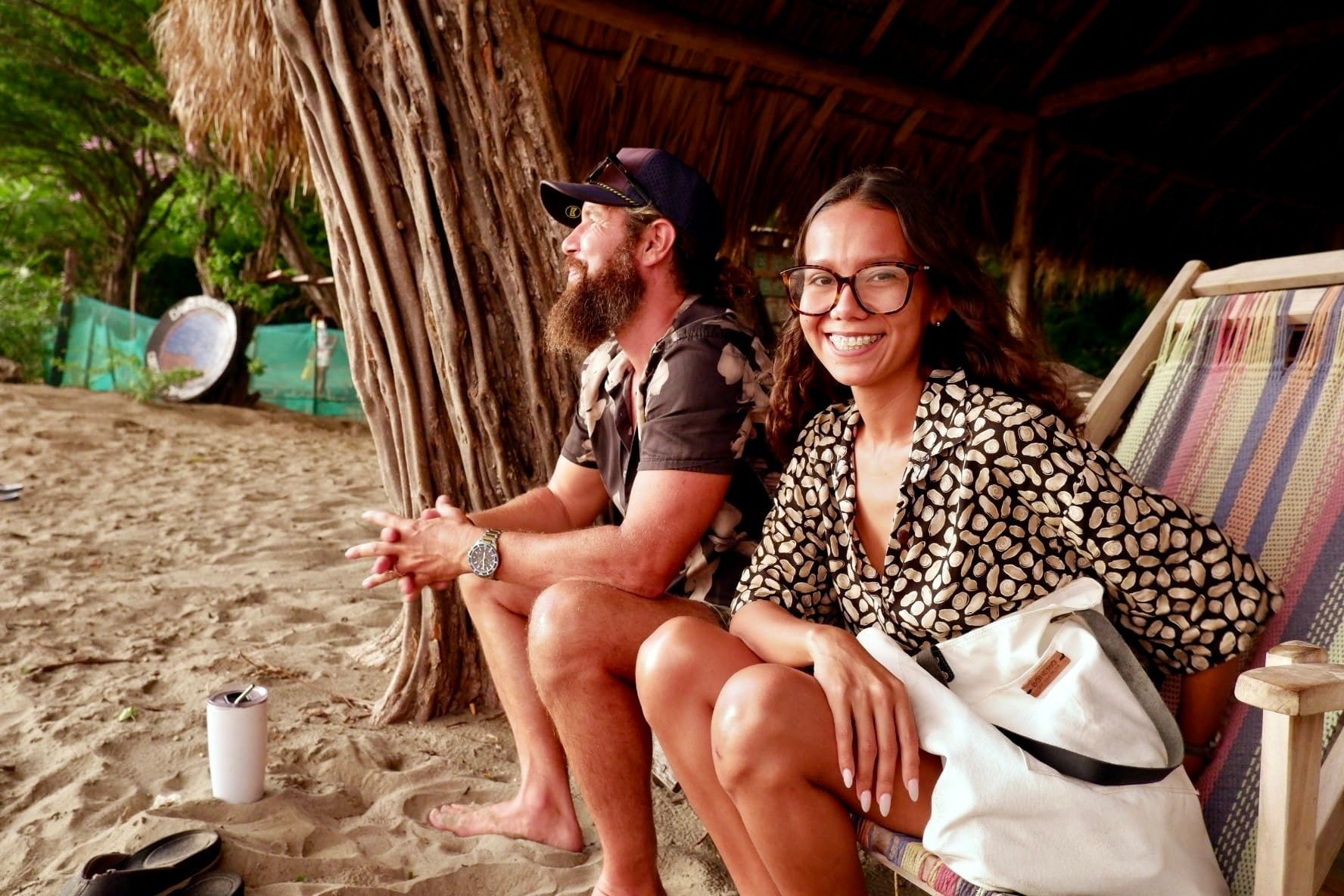
We’re Ali and Franny. Together we run The Flamingo Experience, a five-star rated boutique retreat in San Juan del Sur. I’m an expat from the U.S., Franny’s a licensed real estate broker born and raised here.
We help travelers, couples, and investors experience Nicaragua safely, comfortably, and authentically. If you’re curious about visiting Nicaragua or exploring real estate opportunities, we’d love to host you.
If you've never been, click the link below to send us a Whatsapp and we'll respond with a full travel guide.
Surf to Volcanoes, It’s All Here
Nicaragua is a country that surprises almost everyone who visits.

From endless beaches and world-class surf to colorful towns, volcanic adventures, and a culture rooted in warmth and hospitality — this is a place that feels alive in a way the modern world has forgotten.

So whether you’re coming for a week of sun or dreaming of something bigger, Nicaragua is ready to welcome you.

Your journey starts here.